Leave A Message
If you are interested in our products and want to know more details,please leave a message here,we will reply you as soon as we can.

For decades, clocks were primarily utilitarian objects pinned to a wall, marking the passage of time with a monotonous, mechanical tick. Their primary, and often only, purpose was strictly functional. Today, however, as smart home concepts flourish and minimalist aesthetics dominate our living and working spaces, our expectations for timekeeping devices have evolved far beyond basic utility. Timepieces have transformed into essential visual focal points within contemporary interior design.
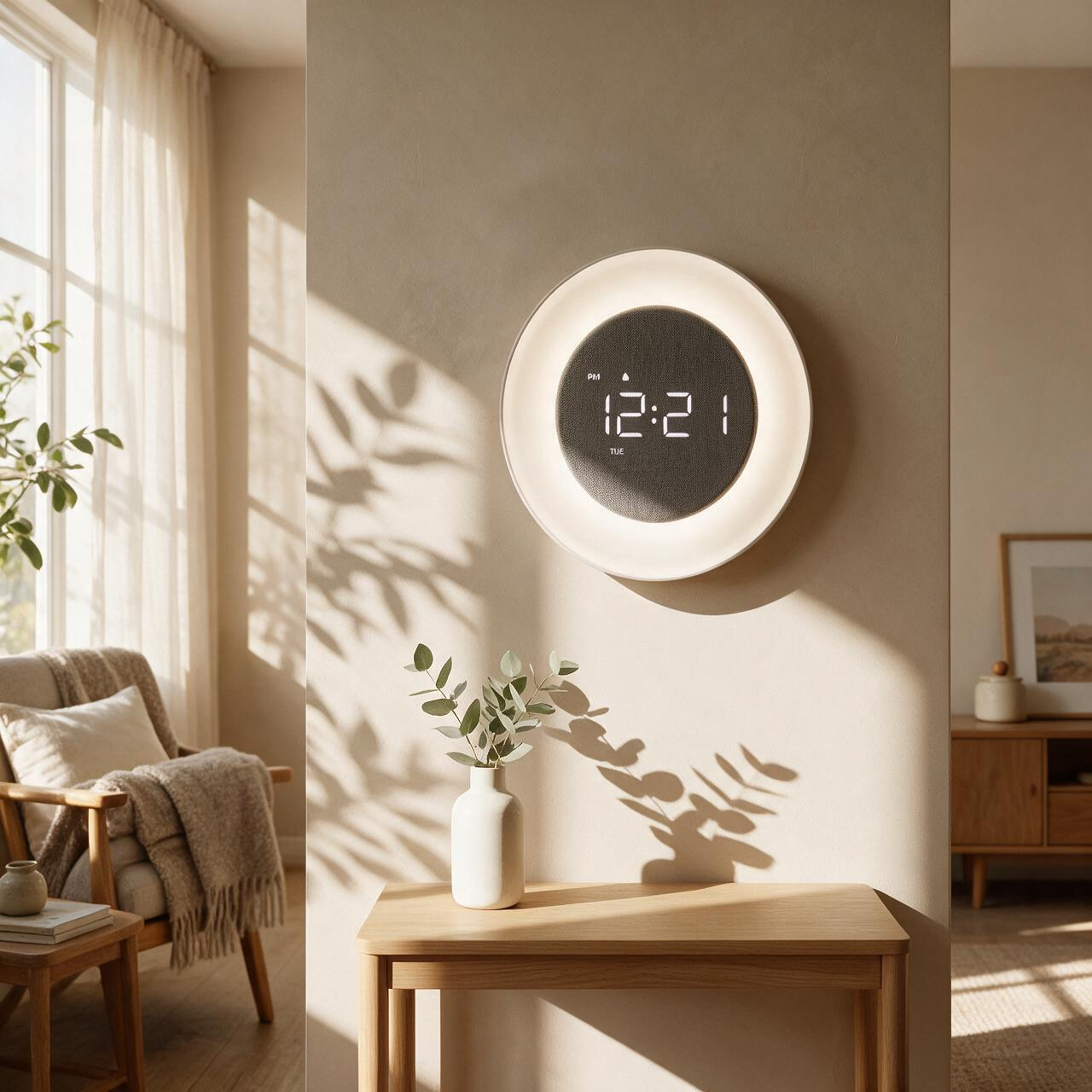
This shift is not a coincidence; it is deeply rooted in the modern design philosophy of "invisible technology." This concept dictates that tech products shouldn't feel cold, intrusive, or overly industrial. Instead, they should blend organically into our daily environments, enhancing rather than distracting from the decor. In this context, selecting the right Digital clock for wall mounting becomes a crucial design choice. A meticulously crafted piece sets the foundational tone for a room, seamlessly merging silent operation with clean, elegant lines, and elevating the simple act of checking the time into a moment of visual appreciation.
Redefining Readability Through Smart Technology
To truly understand how these timepieces integrate with interior design, we must first examine the technological leaps that have redefined their core functionality. Traditional analog clocks rely on physical hands and printed dials. While they possess a certain classic charm, they are bound by physical limitations, notably producing audible ticking sounds and becoming completely illegible in low-light conditions.
Advanced digital clock for wall mounting designs have shattered these barriers by leveraging sophisticated LED display technology. Today’s screens offer unparalleled clarity and wide viewing angles. Whether positioned in a sun-drenched living room or a dimly lit hallway, the crisp, illuminated digits ensure you can effortlessly read the time from across the room.
More importantly, the integration of smart light sensors has revolutionized how these devices interact with their environment. These built-in sensors continuously monitor ambient light levels and automatically adjust the display's brightness. During peak daylight, the digits glow intensely to combat glare; as evening falls, the display gently dims to a soft luminosity that won't strain your eyes or disrupt your circadian rhythm. This responsive, environment-aware technology provides the precise level of illumination needed, showcasing how advanced engineering can prioritize human comfort and spatial harmony.
The Art of Illumination and Geometric Form
Beyond the core functions of timekeeping and auto-dimming, modern digital devices have achieved unprecedented breakthroughs in physical form. Industrial designers understand that any object occupying prime wall space must carry significant aesthetic weight. As a result, they have moved away from the restrictive boundaries of traditional circular or square frames, experimenting instead with bold geometric silhouettes, borderless displays, and floating designs.
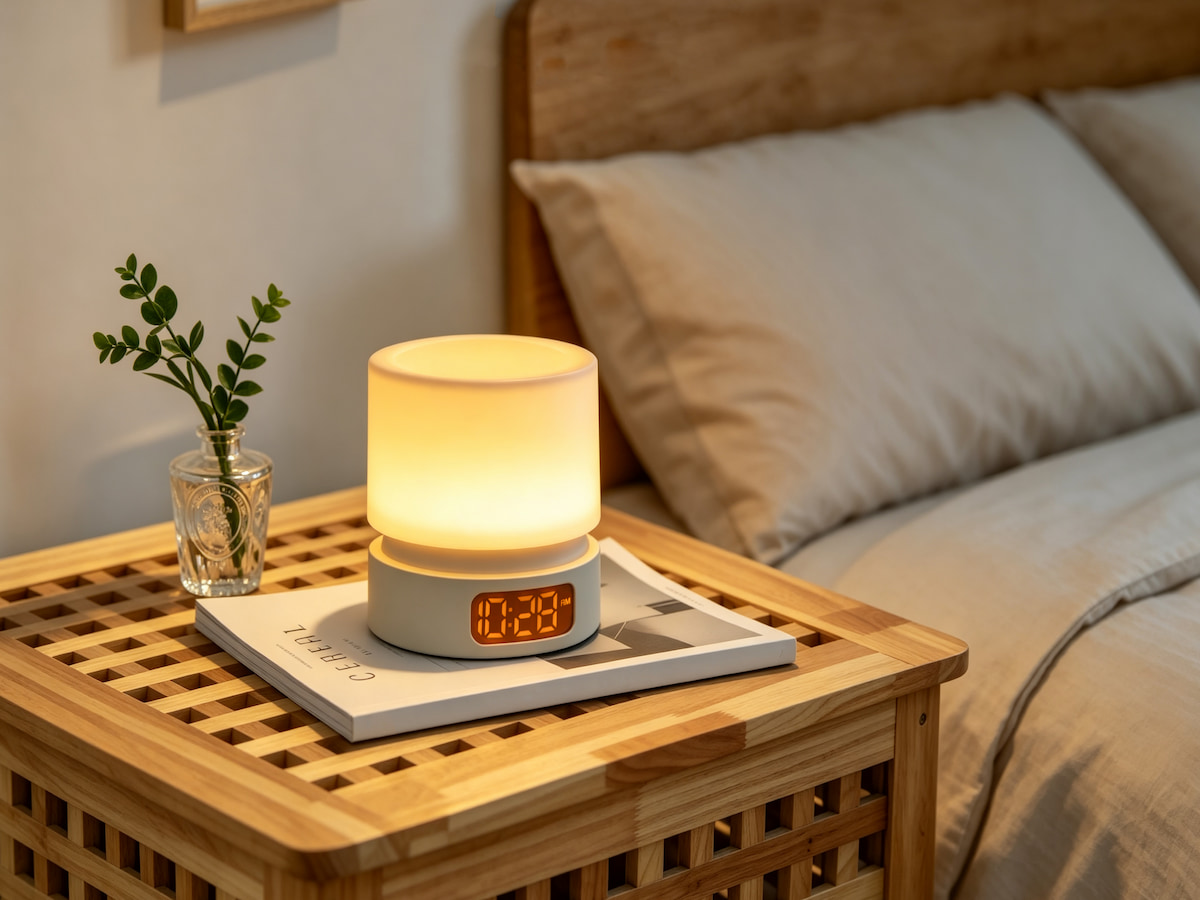
This structural innovation allows the clock to act as a piece of minimalist wall art during the day. When the sun goes down, it transitions into a powerful tool for ambient lighting. For instance, a thoughtfully designed modern wall clock often incorporates features like hexagonal shaping and dual-use night lights. By emitting a soft, diffused halo from its edges or back panel, it solves the practical issue of navigating dark hallways or bedrooms at night while simultaneously injecting the space with a warm, futuristic ambiance. The delicate interplay of shadow, warm light, and sharp digital numbers represents a masterful blend of optical physics and interior styling.
Bridging the Gap Between Tech and Decor
A successful interior design scheme relies on the cohesive unity of all its elements. The modern wall clock has become a favorite among professional decorators largely due to its remarkable adaptability. Whether your home leans toward the raw textures of an industrial loft, the uncluttered purity of Scandinavian minimalism, or the vibrant energy of a cyberpunk-inspired gaming room, there is a digital timepiece engineered to match.
The materials and color palettes used in contemporary manufacturing have become incredibly refined. Classic matte black or crisp white housings offer a timeless look that anchors any colored wall. Meanwhile, for those looking to inject dynamic energy into a room, models equipped with RGB color-changing capabilities offer endless customization. Through a simple remote control or side-panel buttons, users can cycle through color spectrums to match their current mood, the changing of the seasons, or even the aesthetic of a specific holiday party. This high degree of personalization transforms the clock from a static, unchanging object into a vibrant, living component of the home's architecture.
Spatial Fluidity and Dual Functionality
In today's fast-paced, ever-changing living environments, spatial flexibility is paramount. Renters may be hesitant or forbidden to drill holes into their apartment walls, requiring alternative placement options. Conversely, homeowners with spacious, open-concept floor plans often desire expansive, uncluttered walls, preferring to concentrate functional items on floating shelves, mantels, or expansive desks.
Recognizing that a single mounting solution is no longer sufficient, industrial designers have engineered timepieces that effortlessly bridge the gap between wall art and desktop utility. A versatile Dual Mount Digital LED Clock exemplifies this adaptability. Through the clever integration of sturdy, fold-out kickstands and standardized keyhole slots on the back panel, it allows users to modify their setup on a whim.
This means the very same sleek device that serves as a highly visible, wall-mounted command center in your kitchen today can easily be relocated to your home office desk tomorrow, functioning as a stylish productivity companion. This fluid transition between horizontal and vertical surfaces ensures that the technology adapts to your lifestyle, rather than forcing you to adapt to the limitations of the hardware.
While time itself remains an invisible and unstoppable force, the vessels we use to measure it are entirely within our control. By stripping away unnecessary bulk and noise, and focusing instead on crisp LED illumination, intelligent sensors, and striking geometric profiles, contemporary timepieces do much more than simply display the hour. They stand quietly in our most intimate spaces, serving as a constant reminder to value our time, while utilizing light, color, and cutting-edge design to elevate the atmosphere of our everyday lives.

 English
 Español
 عربي
عربي 日语
日语 한국어
한국어